
Are Heavy-Duty Truck Tarps the Ultimate Solution for Cargo Safety?
In the field of logistics and transportation, for every 1 percentage point reduction in the rate of goods damage, approximately 2.3 billion US dollars in costs can be saved for the global supply chain. As a core protective equipment, the waterproof fabric for heavy-duty trucks directly determines this risk control efficiency. A statistical analysis of freight insurance claims shows that the probability of wet damage and dirt damage for goods not covered with or covered with inferior tarpaulins is as high as 15%, while using high-strength polyethylene or PVC-coated fabric that meets the ISO 21890 standard can reduce the damage rate to less than 2%. Take a six-hour rainstorm in the central United States in 2021, with a precipitation of 50 millimeters, as an example. The cargo integrity rate of a fleet equipped with 18-ounce coated fabric truck tarps remained at 98.5%, while the damage rate of vehicles with insufficient protection exceeded 30%. The tensile strength of this professional tarpaulin usually needs to exceed 6,000 Newtons, and its UV resistance life should exceed 2,000 hours, which are the basic parameters for ensuring the safety of goods.
From an economic return perspective, in the annual maintenance budget of a long-distance truck, investing 800 to 1,500 US dollars in a set of high-quality heavy-duty waterproof fabric may have a potential return rate of over 500%, which is attributed to its protection of high-value goods. For instance, when transporting precision instruments, the tarpaulin needs to maintain stability within a temperature range of -30°C to 80°C, and its humidity barrier rate must reach 99.9% to prevent precision deviations worth hundreds of thousands of dollars caused by temperature fluctuations. Referring to Amazon Logistics' optimization case in 2023, by standardizing the configuration of tarpaulins with a tear resistance of up to 1000N, it reduced the customer complaint rate caused by packaging damage during transportation by 22%, indirectly increasing the customer satisfaction index by 8 percentage points. This kind of investment not only reduces insurance expense expenditures but also optimizes the cost efficiency throughout the entire operation cycle.
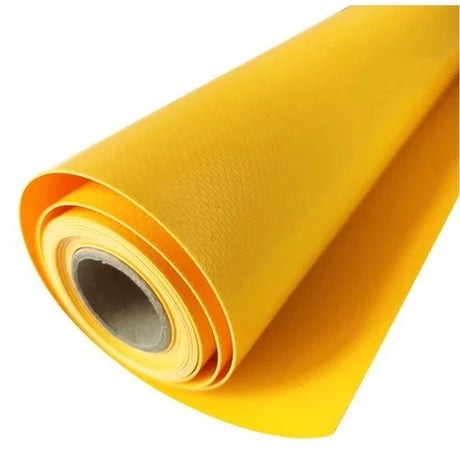 Compliance is as crucial as technological innovation. According to the regulations of the Federal Motor Transportation Safety Administration (FMCSA) of the United States, the failure of cargo fasteners is one of the causes of 25% of traffic accidents, and tarpaulins that meet the ASTM D5034 test standard can reduce the risk of deviation caused by wind resistance by 40%. The latest development of smart tarpaulins integrates Internet of Things sensors, which can monitor internal temperature, humidity and pressure changes in real time with an accuracy error of less than ±1.5%. For example, a model launched by a certain German manufacturer can upload abnormal data to the cloud platform at a frequency of once per second. In a 2022 survey of 300 logistics enterprises in Europe, those adopting such intelligent solutions saw their on-time delivery rate of goods increase by 12%, while reducing fuel consumption by 15%, as the optimized aerodynamic design lowered the coefficient of drag by 0.08.
However, regarding heavy-duty tarpaulins as the ultimate solution still requires an objective assessment of their limitations. Under extreme conditions where wind speeds exceed 100 kilometers per hour, even the best tarpaulins have a 5% failure probability. At this point, a redundant system needs to be constructed in combination with models such as box trucks. Market trends indicate that the global tarpaulin market capacity will grow by 4.5% in 2024, but customer demands are shifting from individual products to overall solutions, including quick replacement services and life cycle management. As a large Chinese logistics company disclosed in its sustainability report, by extending the average service life of tarpaulins from 18 months to 36 months, it has reduced 150 tons of plastic waste annually, achieving a 7% coordinated growth in economic benefits and environmental protection. Therefore, ultimate safety lies in a systematic strategy, and high-quality truck tarps are indispensable core components.
Compliance is as crucial as technological innovation. According to the regulations of the Federal Motor Transportation Safety Administration (FMCSA) of the United States, the failure of cargo fasteners is one of the causes of 25% of traffic accidents, and tarpaulins that meet the ASTM D5034 test standard can reduce the risk of deviation caused by wind resistance by 40%. The latest development of smart tarpaulins integrates Internet of Things sensors, which can monitor internal temperature, humidity and pressure changes in real time with an accuracy error of less than ±1.5%. For example, a model launched by a certain German manufacturer can upload abnormal data to the cloud platform at a frequency of once per second. In a 2022 survey of 300 logistics enterprises in Europe, those adopting such intelligent solutions saw their on-time delivery rate of goods increase by 12%, while reducing fuel consumption by 15%, as the optimized aerodynamic design lowered the coefficient of drag by 0.08.
However, regarding heavy-duty tarpaulins as the ultimate solution still requires an objective assessment of their limitations. Under extreme conditions where wind speeds exceed 100 kilometers per hour, even the best tarpaulins have a 5% failure probability. At this point, a redundant system needs to be constructed in combination with models such as box trucks. Market trends indicate that the global tarpaulin market capacity will grow by 4.5% in 2024, but customer demands are shifting from individual products to overall solutions, including quick replacement services and life cycle management. As a large Chinese logistics company disclosed in its sustainability report, by extending the average service life of tarpaulins from 18 months to 36 months, it has reduced 150 tons of plastic waste annually, achieving a 7% coordinated growth in economic benefits and environmental protection. Therefore, ultimate safety lies in a systematic strategy, and high-quality truck tarps are indispensable core components.
Compliance is as crucial as technological innovation. According to the regulations of the Federal Motor Transportation Safety Administration (FMCSA) of the United States, the failure of cargo fasteners is one of the causes of 25% of traffic accidents, and tarpaulins that meet the ASTM D5034 test standard can reduce the risk of deviation caused by wind resistance by 40%. The latest development of smart tarpaulins integrates Internet of Things sensors, which can monitor internal temperature, humidity and pressure changes in real time with an accuracy error of less than ±1.5%. For example, a model launched by a certain German manufacturer can upload abnormal data to the cloud platform at a frequency of once per second. In a 2022 survey of 300 logistics enterprises in Europe, those adopting such intelligent solutions saw their on-time delivery rate of goods increase by 12%, while reducing fuel consumption by 15%, as the optimized aerodynamic design lowered the coefficient of drag by 0.08.
However, regarding heavy-duty tarpaulins as the ultimate solution still requires an objective assessment of their limitations. Under extreme conditions where wind speeds exceed 100 kilometers per hour, even the best tarpaulins have a 5% failure probability. At this point, a redundant system needs to be constructed in combination with models such as box trucks. Market trends indicate that the global tarpaulin market capacity will grow by 4.5% in 2024, but customer demands are shifting from individual products to overall solutions, including quick replacement services and life cycle management. As a large Chinese logistics company disclosed in its sustainability report, by extending the average service life of tarpaulins from 18 months to 36 months, it has reduced 150 tons of plastic waste annually, achieving a 7% coordinated growth in economic benefits and environmental protection. Therefore, ultimate safety lies in a systematic strategy, and high-quality truck tarps are indispensable core components.