
What factors affect the performance of a brewery system?
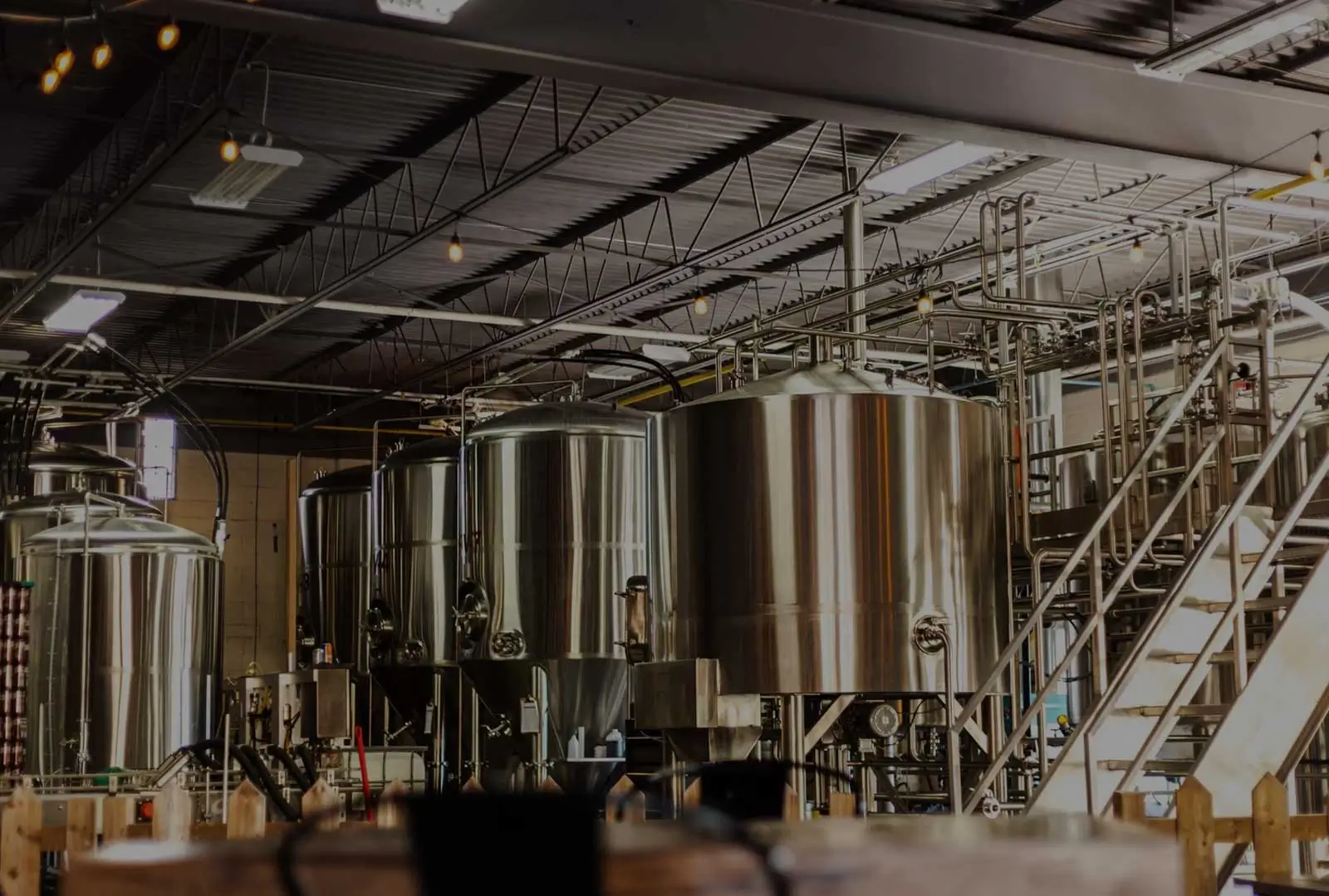
What determines the success or failure of a brewery is not only the fragrance of malt and hops, but also the efficiency of the countless precise gears working in coordination within its brewery system. The performance parameters of core equipment are the foundation. For instance, if the heating efficiency of the mashing pot is reduced by 10%, it will lead to a 15% increase in energy consumption per batch and an extension of the mashing time by 30 minutes. The accuracy of temperature control in the fermentation tank is of vital importance. The allowable deviation range should be within ±0.5° C. If the temperature fluctuation exceeds 1.0°C, it may cause abnormal yeast metabolism, resulting in a deviation of up to 20% in the concentration of flavor ester substances. The "Lighthouse Factory" of Anheuser-Busch InBev has increased the overall equipment efficiency by 8% and reduced downtime by 25% by deploying an intelligent sensor network. This proves that the brewery system, which invests in high-precision temperature control and pressure (the working pressure is usually 1.5-2.0 bar) systems, can directly increase the batch consistency probability to over 98%.
The rigor of process flow control is like conducting a symphony, and its fluctuations directly affect the quality spectrum of the final product. The efficiency of the CIP cleaning system determines the risk of contamination. If the cleaning cycle is shortened from the standard 90 minutes to 70 minutes but the flow rate of the cleaning solution is reduced by 20%, the probability of microbial contamination may increase by 5%. Yeast management is the lifeline. When the number of generations of yeast expansion exceeds 8, its vitality and fermentation degree will decline by 15%, resulting in the fermentation time being extended from 7 days to 10 days. The dissolved oxygen concentration should be controlled below 0.1ppm. If the oxygen increase during filling on the packaging line exceeds 0.3ppm, the shelf life of beer will be shortened by 30%. A process optimization study by Heineken Beer shows that by standardizing the mashing steps, the variance of wort components was reduced by 18%, highlighting the decisive impact of process standardization on the output stability of the brewery system.
 The professionalism of human resources and the resilience of the supply chain constitute the soft tissue of the system. Data shows that winemakers with over five years of experience can increase raw material utilization by 5% and reduce production accident rates by 60%. Supply chain fluctuations have brought about direct cost shocks. In 2021, North American barley production decreased by 30% due to drought, causing the peak price to rise by 40%. If a diversified supply chain strategy is not established, the gross profit margin may be eroded by 8-10%. An American craft brewery once had to shut down for 72 hours due to a failure of key pumps and valves, resulting in direct losses of over 50,000 US dollars. This exposed the importance of preventive maintenance plans, extending the average time between failures of key equipment by 20%, which can prevent 85% of sudden shutdowns. During the COVID-19 pandemic, the brewery system with flexible production capacity was able to quickly shift 20% of the production capacity of the production line to canning production, thereby capturing market changes and achieving a 5% increase in sales against the trend.
Data-driven analytical decision-making and energy management are the intelligent brains of the modern brewery system. By deploying Internet of Things (iot) sensors to collect information flows of temperature, pressure, flow rate and other data points per second, and using regression analysis, equipment failures can be predicted with an accuracy rate of 85%. Energy costs account for approximately 15% of the total production costs. Installing a heat energy recovery system can reduce steam energy consumption in the boiling stage by 40%, and the payback period for investment is typically 18 to 24 months. The New Belgian Brewery has optimized the fermentation curve through data analysis, increasing its average annual production capacity by 12%, while reducing the water consumption ratio from 5:1 to 3.8:1. Market trends show that consumers' demand for an average annual growth rate of 15% in the speed of product innovation. An intelligent brewery system platform that integrates real-time production data and market feedback can compress the new product development cycle from 60 days to 35 days, enabling rapid trial and error and capturing niche markets. This is the key engine driving the profit growth rate to exceed the industry average of 8%.
The professionalism of human resources and the resilience of the supply chain constitute the soft tissue of the system. Data shows that winemakers with over five years of experience can increase raw material utilization by 5% and reduce production accident rates by 60%. Supply chain fluctuations have brought about direct cost shocks. In 2021, North American barley production decreased by 30% due to drought, causing the peak price to rise by 40%. If a diversified supply chain strategy is not established, the gross profit margin may be eroded by 8-10%. An American craft brewery once had to shut down for 72 hours due to a failure of key pumps and valves, resulting in direct losses of over 50,000 US dollars. This exposed the importance of preventive maintenance plans, extending the average time between failures of key equipment by 20%, which can prevent 85% of sudden shutdowns. During the COVID-19 pandemic, the brewery system with flexible production capacity was able to quickly shift 20% of the production capacity of the production line to canning production, thereby capturing market changes and achieving a 5% increase in sales against the trend.
Data-driven analytical decision-making and energy management are the intelligent brains of the modern brewery system. By deploying Internet of Things (iot) sensors to collect information flows of temperature, pressure, flow rate and other data points per second, and using regression analysis, equipment failures can be predicted with an accuracy rate of 85%. Energy costs account for approximately 15% of the total production costs. Installing a heat energy recovery system can reduce steam energy consumption in the boiling stage by 40%, and the payback period for investment is typically 18 to 24 months. The New Belgian Brewery has optimized the fermentation curve through data analysis, increasing its average annual production capacity by 12%, while reducing the water consumption ratio from 5:1 to 3.8:1. Market trends show that consumers' demand for an average annual growth rate of 15% in the speed of product innovation. An intelligent brewery system platform that integrates real-time production data and market feedback can compress the new product development cycle from 60 days to 35 days, enabling rapid trial and error and capturing niche markets. This is the key engine driving the profit growth rate to exceed the industry average of 8%.
The professionalism of human resources and the resilience of the supply chain constitute the soft tissue of the system. Data shows that winemakers with over five years of experience can increase raw material utilization by 5% and reduce production accident rates by 60%. Supply chain fluctuations have brought about direct cost shocks. In 2021, North American barley production decreased by 30% due to drought, causing the peak price to rise by 40%. If a diversified supply chain strategy is not established, the gross profit margin may be eroded by 8-10%. An American craft brewery once had to shut down for 72 hours due to a failure of key pumps and valves, resulting in direct losses of over 50,000 US dollars. This exposed the importance of preventive maintenance plans, extending the average time between failures of key equipment by 20%, which can prevent 85% of sudden shutdowns. During the COVID-19 pandemic, the brewery system with flexible production capacity was able to quickly shift 20% of the production capacity of the production line to canning production, thereby capturing market changes and achieving a 5% increase in sales against the trend.
Data-driven analytical decision-making and energy management are the intelligent brains of the modern brewery system. By deploying Internet of Things (iot) sensors to collect information flows of temperature, pressure, flow rate and other data points per second, and using regression analysis, equipment failures can be predicted with an accuracy rate of 85%. Energy costs account for approximately 15% of the total production costs. Installing a heat energy recovery system can reduce steam energy consumption in the boiling stage by 40%, and the payback period for investment is typically 18 to 24 months. The New Belgian Brewery has optimized the fermentation curve through data analysis, increasing its average annual production capacity by 12%, while reducing the water consumption ratio from 5:1 to 3.8:1. Market trends show that consumers' demand for an average annual growth rate of 15% in the speed of product innovation. An intelligent brewery system platform that integrates real-time production data and market feedback can compress the new product development cycle from 60 days to 35 days, enabling rapid trial and error and capturing niche markets. This is the key engine driving the profit growth rate to exceed the industry average of 8%.